Expert Fence Installation Solutions: Long-Lasting & Attractive Choices
Professional fence installation services provide a wide range of durable and stylish options to address different property demands. Specializing in materials such as vinyl, wood, and chain link, these professionals ensure visual appeal as well as enduring durability. Their understanding of local codes and premium materials produces a reliable enclosure that boosts property value. However, choosing the right style and material can be complex, generating key questions regarding the ideal choice for specific properties.
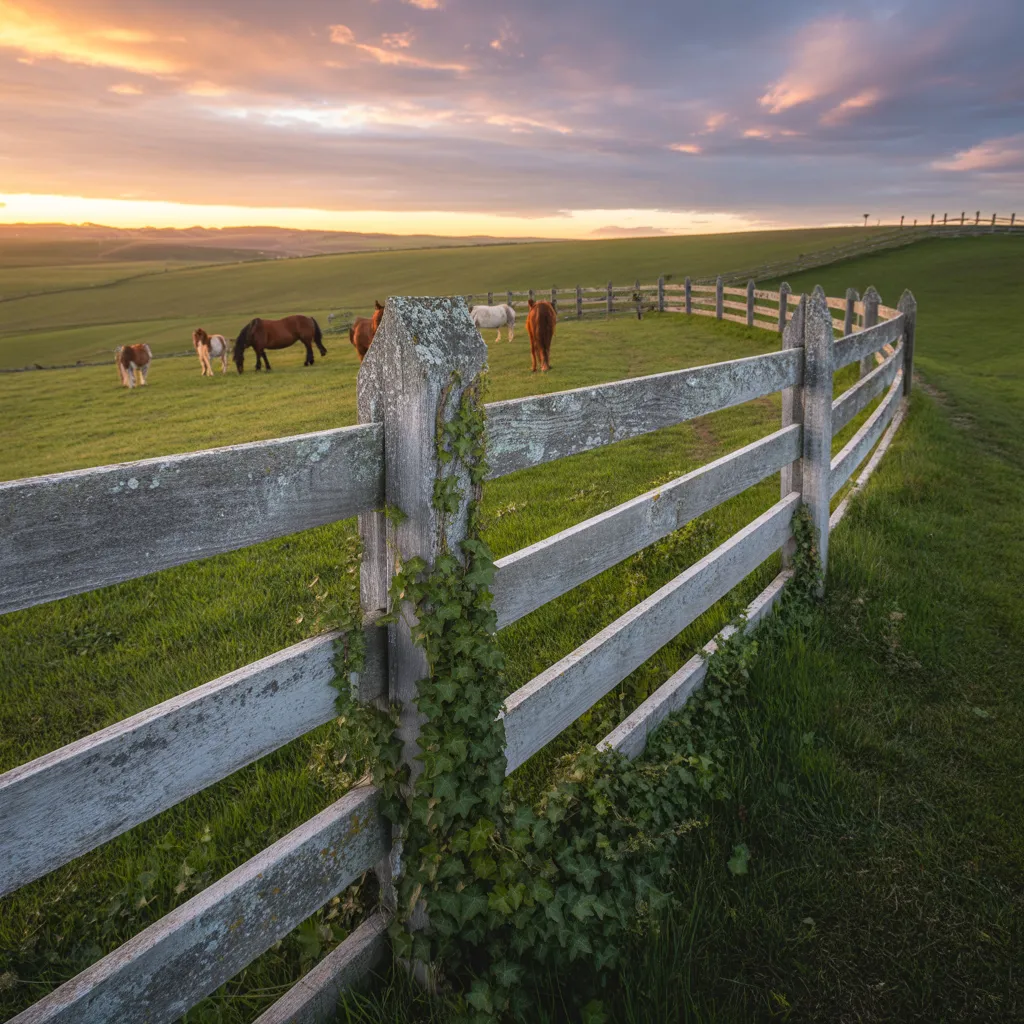
Major Benefits of Choosing Professional Fence Installers
The expertise offered by professional fence installers brings a significant advantage to homeowners seeking quality and reliability. Such professionals carry the expertise and hands-on experience needed to confirm that fences are erected correctly and with precision. By hiring experts, homeowners can avoid common pitfalls, such as improper alignment or inadequate support, which could lead to costly repairs in the future.
Furthermore, professional installers are knowledgeable about local regulations and permit requirements, simplifying the process for homeowners. Their use of specialized tools and materials ensures a superior quality finish. Furthermore, bringing in professionals can be a great time-saver; whereas a DIY method may result in prolonged project durations, trained experts are able to carry out installations rapidly and proficiently.
Ultimately, choosing professional fence installation strengthens the durability and aesthetic appeal of the property, offering homeowners peace of mind and assurance in their investment.
How to Find the Best Fence Material for Your Situation
Choosing the right fence material can seem daunting, especially with the myriad of options available. Property owners should first consider their core priorities—whether for security, privacy, or visual appeal. Wood, for instance, provides a timeless appearance and can be personalized effortlessly, but demands routine care. Vinyl provides durability and low upkeep, making it ideal for those looking for lasting value.
A chain link fence is an affordable option, delivering security and open visibility, but lacks privacy. Metal options like aluminum or wrought iron merge strength and sophistication, perfect for decorative purposes.
Additionally, environmental factors play a critical role; regions susceptible to moisture may require materials that resist rot or rust. Expense is also a determining factor, as some materials may have higher initial investments but lower maintenance costs over time. Ultimately, evaluating personal preferences and practical needs will guide homeowners in selecting the most suitable fence material for their property.
What Fence Style Works Best for Your Property?
Which factors affect the selection of fencing style for a home? Multiple considerations play a vital role in this decision, including the property's architecture, garden design, and planned purpose. Homeowners may opt for a classic picket fence to enhance a traditional home's charm or a modern horizontal design for contemporary aesthetics.
Moreover, privacy and security considerations heavily impact the choice of style. For instance, tall, solid panel fences offer privacy, while wrought iron fencing combine security with visibility. Local regulations and neighborhood trends also influence decisions, as many communities have specific guidelines about fence height and material choices.
Lastly, the local climate impacts durability and upkeep; sturdy materials such as vinyl or metal may be the better choice in challenging weather environments. Evaluating these factors enables property holders to select a fence style that not only suits their home but also meets their functional requirements.
Measuring Your Space: Essential Steps Before Choosing a Fence Style
Before selecting a fence style, it is essential for property owners to carefully measure their property, as precise dimensions can greatly influence both aesthetics and functionality. The first step involves determining the perimeter of the area where the fence will be installed. This requires taking measurements of the length and width, accounting for any variations in the terrain, such as gradients or curved sections.
Furthermore, residents should take note of the location of existing structures, trees, and utility lines that may influence the installation. It is recommended to document these details on a straightforward drawing for reference. Familiarizing yourself with local zoning laws and property lines is also crucial, as local rules can determine fence height and placement.
Ultimately, taking into account the primary goal of the fence—whether for decorative purposes, privacy, or defining property lines—will guide homeowners in selecting the most suitable style. Proper measurements secure a smooth and effective installation that satisfies both visual preferences and functional requirements.
Boosting Property Security With Fencing
Fencing plays an essential role in enhancing property security through various materials and designs. Aspects such as height and style greatly influence a fence's effectiveness in deterring intruders. Furthermore, skilled installation confirms that these components are fine-tuned for optimal protection.
Types Of Fence Materials
A carefully selected fencing material can substantially boost home security while enhancing visual appeal. Various materials offer specific qualities suited for different needs. Chain-link fencing offer transparency and strength, rendering them a cost-effective option for security. Wood fencing, despite needing upkeep, offer a traditional aesthetic and can discourage trespassers with their elevated stature. Vinyl fencing presents a minimal-upkeep choice that resists weathering and fading, offering both security and style. For maximum strength, wrought iron and aluminum barriers are excellent choices, pairing strong protection with refined aesthetics. Furthermore, composite fencing options merge resilience with visually pleasing designs, attracting property owners wanting a stylish appearance. The unique properties of each material contribute to reliable home security while boosting the property's visual allure.
Height And Design Factors
How do the height and design of a fence play a major role in property security? A well-considered fence height can deter potential intruders; as a rule, heights going beyond six feet form a considerable barrier. Additionally, the design plays a vital role; solid panels offer privacy and block visibility, making it more difficult for outsiders to evaluate the property. On the other hand, fences featuring sharp spikes or pointed tops can additionally deter trespassing.
Moreover, adding details like decorative lattice or trellis designs can elevate the appearance while preserving protective measures. It is important to find an equilibrium between style and protection, as a well-crafted design can add value to the property while serving its intended purpose. Ultimately, the perfect balance of physical height and visual design can significantly improve the overall security of a home.
Expert Installation Advantages
While numerous property owners may think about installing a fence on their own, selecting expert installation delivers significant advantages, particularly in enhancing security. Professionals bring expertise that guarantees fences are built to withstand environmental challenges and deter potential intruders effectively. They assess the property's unique needs, recommending materials and designs that not only enhance aesthetics but also bolster security. Correct installation reduces gaps and structural weaknesses, limiting vulnerabilities that might otherwise be taken advantage of. Furthermore, professionals are familiar with local regulations and zoning laws, guaranteeing compliance and avoiding potential fines. By entrusting the installation to experts, property owners can achieve a durable, secure fence that adds value and peace of mind, allowing them to focus on other important aspects of property management.
Easy Maintenance Tips for Your Fence
Upkeeping a fence necessitates consistent maintenance to ensure its long-term performance and curb appeal. To ensure the best outcome, it is essential to assess the fence periodically for any indications of wear, such as deterioration, rust, or structural damage. Cleaning the fence with a mild detergent and water can clear away debris and stop mold formation, which is particularly crucial for wood-based fencing. Furthermore, treating the surface with a sealant or protective paint will guard the fence against environmental factors and increase its durability.
Cutting back surrounding vegetation additionally decreases the risk of moisture retention and pest infestations. For metal fences, regular checks for rust ought to be carried out, treating any affected areas promptly. Finally, maintaining appropriate drainage around the fence can prevent water damage and soil erosion, supporting the overall stability and appearance of the fence. By implementing these basic upkeep practices, homeowners can maintain their fence in excellent condition for years to come.
Understanding Fence Project Costs
Understanding the pricing involved in a fencing project involves several key considerations. The choice of materials significantly influences overall costs, while the cost of labor can differ depending on the project's complexity. Furthermore, the detail of the installation process plays an essential role in establishing the total expense.
Material Choice Impact
Selecting the right material options for a fence greatly influences the overall project costs. Numerous options, such as vinyl, wood, aluminum, and chain link, come with distinct price points and upkeep needs. As an example, while timber might be initially cheaper, it often requires consistent care, potentially increasing overall costs over time. In contrast, vinyl and aluminum offer long-lasting performance and minimal upkeep but usually involve greater initial expenses. The decision of material also affects the complexity of installation, which can also influence total expenses. Moreover, personal style choices may guide which materials are chosen; visually appealing selections often come at a premium. Ultimately, grasping the link between material choice and costs is essential for property owners seeking to achieve harmony between their budget and their desired look in their fencing projects.
Labour Costs Breakdown
Labor costs serve a critical role in establishing the full expenses of a fence construction project. These costs include various factors, including the hourly fees of the professionals involved and the approximate duration needed for the job. Generally, experienced laborers command higher fees due to their specialized knowledge. Furthermore, the scale and complexity of the project can greatly impact labor costs; more complex or expansive installations require additional manpower and time. Often, homeowners may also incur refer to resource expenses for permits or inspections, which are essential for adhering to local regulations. Understanding these labor expenses provides a clearer picture of the total budget and enables more effective financial planning when planning a fence installation project.
Key Installation Complexity Considerations
When evaluating the costs associated with a fence installation project, several complexity factors must be considered. The choice of materials greatly influences overall spending; for reference, timber tends to cost less than vinyl or wrought iron but needs more consistent care. Site conditions also matter; irregular ground or pre-existing structures may complicate the process, raising the cost of labor. Moreover, regional zoning laws and required permits can affect both the schedule and budget. The fence design and height factor into the complexity; intricate styles often require more labor and expertise. To conclude, opting for DIY versus professional installation considerably impacts the final expense, as professional workmanship ensures durability and quality. Being aware of these factors aids in precisely calculating project costs.
How Expert Installers Increase Your Fence's Value
Choosing professional fence installation considerably enhances a property's worth. Experienced installers provide knowledge that ensures fences are constructed for longevity, improving both strength and visual appeal. Their familiarity with local guidelines and building requirements guarantees conformity, decreasing the likelihood of legal problems and connected costs for homeowners.
In addition, expert installers can identify high-quality materials that align with the homeowner's preferences while maximizing long-term performance and care needs. The artistry evident in a professionally constructed fence not only boosts the property's curb appeal but also creates a greater sense of unity with the neighboring landscape.
In addition, a well-designed fence can provide additional privacy and security, factors that potential buyers often prioritize. By opting for expert services, homeowners can feel confident that their investment will produce a higher profit when it is time to sell the property. Ultimately, skilled professional installation converts a ordinary fence into a valuable asset that enhances the overall property experience.
Common Questions and Answers
How Much Time Does a Standard Fence Installation Require?
Most fence installations take between one and three days, depending on factors like fence type, terrain conditions, and weather. Careful planning and preparation can help expedite the process, promoting efficient completion and high-quality outcomes.
What Permits Are Required for Fence Installation?
Generally, fence installation requires permits from local authorities, including zoning approvals and building permits. Property owners should verify with municipal authorities to confirm full compliance, as regulations vary by location and type of fence being installed.
Will My Yard Be Damaged During Installation?
In the course of installation, yard damage can occur, particularly from heavy equipment or digging. Nevertheless, skilled professionals frequently implement measures to reduce disturbance, making certain the yard stays undisturbed where feasible, leaving homeowners satisfied with the final result.
Am I Able to Install a Fence During the Winter Season?
Absolutely, a fence may be put up during colder months. That said, the ground may be frozen, creating challenges for the overall process. Thorough planning and appropriate methods are crucial to secure structural stability and overall effectiveness in cold weather conditions.
What Occurs if My Fence Becomes Damaged After Installation?
When a fence becomes damaged at a later stage, it could necessitate repairs or replacement, according to the degree of damage sustained. Consistent care can increase its longevity, while lack of attention could result in further problems and expenses.